When to Replace Drain Field: A Homeowner Guide
Learn how to identify signs, timing, and steps for replacing a septic drain field. Practical tips to protect your home and soil without costly guesswork.


Replace your drain field when septic system issues persist despite pumping: look for sewage odors, soggy soil over the field, backups in fixtures, or effluent surfacing. If problems recur after pumping, plan replacement with a licensed pro. Consult a professional to confirm if replacement is necessary.
Understanding Drain Field Health
According to Drain Guide, the health of your drain field is a strong proxy for overall septic system performance. The field is where treated effluent leaches into the soil, and its success depends on soil type, moisture conditions, and proper design. A well-functioning field accepts liquid at a rate the soil can absorb and dissipates it without surfacing. Regular maintenance—such as timely septic tank pumping and mindful water use—helps, but fundamental issues like poor soil absorption or saturated conditions will eventually require action. This section explains what healthy performance looks like, how to spot early warning signs, and why replacement becomes likely when problems persist despite care.
Common Signs of Drain Field Problems
There are several symptoms that suggest your drain field may be failing. A pronounced sewage odor around the leach area or from plumbing fixtures is a red flag. Wet or spongy soil over the drainage trenches, standing water after rain, or unusually lush, green patches can signal excessive moisture and poor absorption. Frequent backups in toilets, sinks, or drains—even after pumping the septic tank—suggest the field is not treating effluent adequately. Audible gurgling in plumbing and slow drainage can also accompany field trouble. If you notice any combination of these signs, plan a professional evaluation rather than relying on guesswork.
When Replacement Becomes Necessary
Replacement becomes necessary when the drain field consistently fails to absorb effluent despite proper pumping and maintenance. Soil tests or percolation studies may reveal impaired absorption capacity, and effluent surfacing or persistent wet spots strongly indicate field saturation. Age and prior maintenance history also matter: older fields may degrade due to years of use, compaction, or shifts in groundwater. In such cases, a licensed septic contractor can confirm that repair options are not viable and help design a replacement that fits your property and local codes.
Alternatives to Full Replacement
Before committing to a full drain field replacement, explore alternatives that might extend life or restore function. In some cases, trench rehabilitation or relocation of the field to a better-drained area can alleviate problems without a complete rebuild. Wastewater treatment upgrades, such as an aerobic septic system or dosing enhancements, may reduce load on the field. However, these options depend on site conditions, local regulations, and budget. A professional evaluation will weigh the long-term reliability and cost of each path.
Preparing for Replacement
Proper preparation saves time and reduces risk. Start by hiring a licensed septic contractor with experience in field assessment and installation. Request a thorough site evaluation, including soil testing and berm assessment, and confirm required permits with your local health department. Schedule pumping of the septic tank to remove standing effluent before excavation, and plan a temporary reduction of water use during the replacement window. Gather a plan for drainage, access, and backfilling to minimize disruption.
The Replacement Process (Overview)
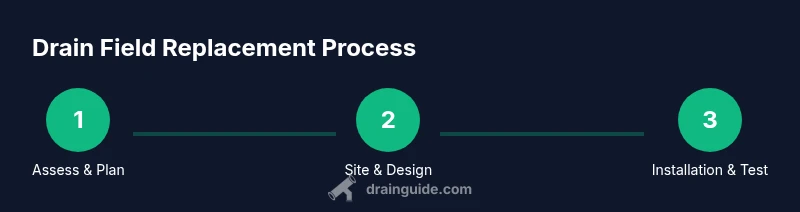
Replacement usually unfolds in stages designed to protect groundwater and ensure code compliance. First, the site is re-evaluated to determine field layout and trench depth. Then, the old field is decommissioned, and new trenches are excavated. Pipework, filters, and stone backfill are installed, followed by careful compaction and pressure testing. Finally, the system is backfilled, a septic tank and distribution box are connected, and a quality check is performed. Expect inspections at critical milestones and potential weather-related delays.
Maintenance to Extend Field Life
Once a new field is in place, adopt practices that maximize longevity. Limit water use during peak times, install water-efficient fixtures, and fix leaks promptly. Avoid landscaping over the trenches, heavy equipment, or soil compaction near the field. Schedule regular pumping every few years as recommended by your pro, and keep records of maintenance and effluent tests. A well-managed system reduces the likelihood of premature replacement.
Authority Sources
Authoritative references provide additional context for septic health and drain field management. EPA offers guidance on onsite systems and groundwater protection: https://www.epa.gov/septic. University extension programs such as Minnesota Extension (https://extension.umn.edu/septic-systems) publish practical field tests and maintenance tips. For public health guidance on septic systems, CDC provides related resources: https://www.cdc.gov/healthywater/septic/index.html.
Tools & Materials
- Soil probe(Long steel probe, 36-48 inches)
- Measuring tape(25-30 ft, soft tape preferred)
- Safety gloves(Heavy-duty, chemical-resistant)
- Shovel or trenching spade(Round-point preferred for trench work)
- Safety boots(Non-slip, waterproof)
- Dust mask(As needed for dusty conditions)
- Notebook or camera(Record observations and measurements)
Steps
Estimated time: 2-6 weeks
- 1
Assess symptoms
Review septic history and current symptoms; note date of last pumping and any recurring issues across fixtures.
Tip: Create a symptom timeline to share with your contractor. - 2
Engage a licensed pro
Confirm the problem with a licensed septic contractor who can perform soil tests and assess field performance.
Tip: Ask for certifications and recent project references. - 3
Pump the septic tank
Pump out the tank to remove bulk solids and allow accurate field assessment.
Tip: Coordinate pumping with the contractor to minimize delays. - 4
Conduct field evaluation
Have the pro perform soil testing, dye tests, and a site evaluation to determine absorption capacity and drainage.
Tip: Document test results for permitting and design decisions. - 5
Decide on repair vs replacement
Based on tests, determine if the issue can be repaired, relocated, or if replacement is the only viable option.
Tip: Ask about long-term reliability and warranty terms. - 6
Plan permits and access
Secure required permits and plan site access, staging areas, and drainage during replacement.
Tip: Verify setback rules and utility clearances in advance. - 7
Install new field
Proceed with trenching, pipe installation, backfill, and integration with the septic tank and distribution box.
Tip: Ensure compaction is appropriate to avoid future settling. - 8
Test and finalize
Perform functional tests, inspections, and finalize water-use adjustments.
Tip: Keep a maintenance log and follow-up with post-installation checks.
Got Questions?
When should I replace my drain field?
Replace the drain field when signs of failure persist after pumping and soil tests show poor absorption. A licensed septic pro should confirm whether replacement is needed or if alternatives are viable.
Replacement is recommended when signs persist after pumping and soil tests show poor absorption; consult a licensed pro for confirmation.
Can a drain field be repaired instead of replaced?
Sometimes localized repairs or relocation of the field can restore function, but many cases require full replacement. A professional evaluation will determine feasibility and long-term reliability.
Sometimes repairs are possible, but many cases need replacement; a pro will decide based on tests and site conditions.
How long does replacement take?
Replacement typically requires several days to a few weeks, depending on site access, permits, and weather. Your contractor will provide a detailed schedule before work begins.
Replacement usually takes days to a few weeks, with a full schedule provided by your contractor.
What factors influence replacement cost?
Cost depends on site conditions, soil type, field size, access, permits, and local labor rates. Discuss all variables with your contractor to avoid surprises and to understand long-term value.
Costs vary with site and soil conditions, access, and local rates; talk to your contractor for a detailed quote.
Is it safe to stay in the home during replacement?
Yes, most replacements are planned to minimize disruption, but expect temporary water-use restrictions and noise. Your contractor will outline safe practices during construction.
Most replacements allow staying in the home with some water-use limits and precautions.
How can I extend the life of a new drain field?
Adopt water-saving habits, fix leaks promptly, avoid heavy use during dry periods, and schedule regular pumping and inspections to catch issues early.
Use water wisely, fix leaks, and keep up with maintenance to extend field life.
Watch Video
The Essentials
- Identify persistent signs early and call a pro.
- Replacement depends on soil, usage, and field age.
- Consider alternatives before full replacement.
- Plan permits and timelines to minimize disruption.
- Adopt maintenance habits to extend field life.