How to Clean a Condensate Drain Line: A DIY Guide
Learn to safely clean a condensate drain line, prevent clogs, and protect your HVAC system. This practical DIY guide covers tools, steps, safety, and prevention strategies for homeowners.


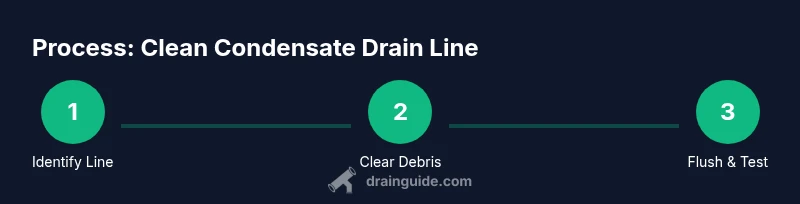
According to Drain Guide, cleaning a condensate drain line is a practical DIY task that prevents overflow, mold, and water damage. This quick answer highlights the goal: locate the line, safely disconnect access points, flush out debris, and verify proper drainage. You’ll need basic tools, protective gear, and a simple cleaning routine to keep your air handler dry and efficient.
Why a Clean Condensate Drain Line Matters
A clean condensate drain line ensures proper drainage from your air conditioner or heat pump, reducing the risk of overflow, water damage, and mold growth. According to Drain Guide, regular attention to condensate lines helps maintain indoor air quality and system efficiency. When debris accumulates, it can back up into the drain pan and into the living space, creating musty odors and potential moisture damage. Regular maintenance also helps your system run more efficiently, since a clogged line can cause the unit to work harder and waste energy. By keeping the line clear, you minimize the chance of leaks around the air handler and avoid costly repairs down the line.
Understanding the Condensate Drain System
Most condensate drainage systems consist of a heat exchanger coil, a condensate pan, a trap (or standpipe), and a dedicated drain line that carries water away from the unit. The line is typically PVC or similar plastic and may connect to a drain in your home's plumbing or a dedicated condensate pump. Blockages can form from mineral buildup, algae, or lint carried through from the home. Recognizing these components helps you diagnose where clogs form and plan a safe cleaning approach. A well-maintained system also reduces the risk of backflow, which can affect humidity control and comfort.
Safety First: PPE and Safe Practices
Before you start, power down the HVAC equipment and lockout the switch if possible. Wear rubber gloves, safety goggles, and a breathable mask if dusty debris is present. Avoid standing water and never mix harsh chemicals in the drain line. If you suspect mold growth or persistent leaks, exercise extra caution and consider professional help. Ventilate the area when flushing the line to prevent fumes from cleaning agents from building up in the space. Safety is the foundation of an effective cleaning routine and helps prevent injuries.
Tools, Materials, and Cleaning Solutions
Preparing the right tools makes the job easier and safer. A lightweight wet/dry vacuum, a flexible brush or pipe-cleaning brush, a flashlight, and a small hand scoop help remove debris. You’ll also want a bucket, microfiber towels, a mild cleaning solution (such as a vinegar-water mix), and a few rags for cleanup. Have a screwdriver or drill ready if you need to open access panels. Keep protective gear within reach, and work in a well-ventilated area. Using the right tools minimizes the risk of damaging fittings or the PVC drain.
Locating the Drain Line and Inspecting for Blockages
Start by locating the condensate line near the HVAC air handler/evaporator. Look for a PVC discharge line that runs to a drain or to a condensate pump. Signs of a clog include standing water in the drain pan, slow drainage, or a gurgling sound in the line. Check for kinks, crushed sections, or disconnected joints. If you find a visible obstruction, note its location for targeted cleaning. Inspect the trap (if accessible); a blocked trap can prevent water from flowing freely and lead to overflow.
Cleaning Methods: Mechanical Removal, Flushing, and Gentle Cleaning Agents
Begin with mechanical removal: use a vented pipe brush or flexible snake to break up debris, then suction with a wet/dry vacuum to pull out loosened material. For stubborn buildup, a gentle vinegar-water flush can help dissolve mineral deposits without corroding PVC. Avoid using bleach or harsh drain cleaners in condensate lines—they can corrode fittings, release harmful fumes, and damage the system. After clearing the line, flush with warm water several times to ensure a clear path. Recheck the drain pan and verify that water flows freely out the line.
Maintenance, Prevention, and When to Call a Pro
Create a simple maintenance schedule that includes a visual inspection of the drain line and pan, a vacuum-based cleaning every few months, and flushing after heavy use or moisture events. Keep an eye on signs of recurring clogs, gurgling noises, or water backups. If you cannot access the line, the blockage is deep in the system, or mold is present, contact a licensed HVAC technician. Regular checks help you prevent costly repairs and extend the life of your system.
Authority and Further Reading
For additional guidance, consult trusted government and university resources:
- https://www.epa.gov/mold/mold-guide-homeowners
- https://www.energy.gov/energysaver/maintaining-your-air-conditioner
- https://www.cdc.gov/mold/dampness.html
These sources provide background on mold prevention, safe cleaning practices, and general HVAC maintenance to support a healthy home environment.
Tools & Materials
- Safety gloves (nitrile preferred)(Protect hands from debris and cleaning solutions)
- Safety goggles(Eye protection against splashes)
- Face mask(Optional if dusty)
- Bucket(For collecting debris and fluids)
- Flashlight(Illumination to inspect line and joints)
- Wet/dry vacuum(Suction to remove loose debris)
- Flexible brush or pipe-cleaning brush(Dislodge stubborn buildup)
- Flexible plumber’s snake (drain auger)(Use if accessible section is blocked)
- Rags or microfiber towels(Clean up spills and dry components)
- Mild cleaning solution (vinegar-water)(Gentle cleaning aid)
Steps
Estimated time: 45-60 minutes
- 1
Power down and access the drain
Turn off the HVAC system at the thermostat and the dedicated switch in the service area. Remove any access panels so you can see the condensate line and drainage path. This initial safety step prevents electrical shocks and gives you a clear view of the work area.
Tip: Double-check the power is off before touching any wiring or components. - 2
Locate the line and identify the trap
Trace the condensate line from the evaporator coil to where it exits the unit. If there’s a trap or standpipe, check for visible signs of blockage or buildup. Knowing the line’s path helps you target the right section without unnecessary disassembly.
Tip: Take a quick photo of the line path to guide reassembly. - 3
Remove loose debris from the accessible section
Use a flashlight to inspect for hair, mineral deposits, or algae. Gently remove loose debris with your gloved hand or a brush. If a trap is accessible, clear it carefully to avoid pushing debris further into the line.
Tip: Avoid forcing material; gentle removal minimizes damage to joints. - 4
Vacuum and brush the line
Run the wet/dry vacuum at the drain outlet to suck out debris. Use a flexible brush to loosen any stubborn buildup around the joints and along the interior of the pipe. Vacuum again if needed until you see clear airflow and no standing residue.
Tip: Keep the vacuum tip moving to prevent scraping the pipe surface. - 5
Flush the line with a mild cleaner
Mix a gentle vinegar-water solution and slowly pour or flush through the line to dissolve mineral deposits. Rinse with warm water. Avoid bleach or strong caustics that can corrode PVC and release fumes.
Tip: Flush in short bursts to monitor flow and prevent overflow. - 6
Reassemble, power on, and test drainage
Replace any access panels, restore power, and observe the condensate line as the system runs. Look for a steady, uninterrupted flow and no leakage at joints. Confirm the drain pan stays dry during operation.
Tip: Keep an eye on the first cycle after cleaning for ideal performance. - 7
Document maintenance and schedule the next check
Record the service date, the cleaning method used, and any parts you inspected. Set a reminder for your next maintenance, ideally after peak cooling season or quarterly checks depending on usage.
Tip: A simple log helps you track recurring issues and plan professional service if needed.
Got Questions?
What causes a condensate drain line to clog?
Clogs often form from mineral buildup, algae, and debris carried through the system. Regular checks help catch buildup before it blocks drainage and causes overflow.
Clogs usually come from minerals, algae, and debris. Regular checks help you catch buildup before it blocks drainage.
Can I use vinegar to clean the condensate line?
Yes, a vinegar-water flush is generally safe for PVC lines and can help dissolve mineral deposits. Do not mix with bleach and avoid strong cleaners.
Vinegar and water can help dissolve deposits, but don’t mix it with bleach or use harsh cleaners.
Is it necessary to hire a professional for a clogged condensate line?
If the line is deeply clogged, you cannot access it safely, or you notice mold growth, contact a licensed HVAC technician.
If you can’t access the line safely or there’s mold, call a licensed HVAC technician.
How often should I clean the condensate drain line?
General guidance suggests inspecting and cleaning as part of annual HVAC maintenance, with more frequent checks during heavy usage or humid seasons.
Inspect and clean as part of annual HVAC maintenance, more often if you use the system heavily or in humid weather.
What if water backs up into the air handler after cleaning?
Shut off power immediately, inspect for remaining blockages, and consult a professional if the problem persists.
If water backs up, turn off power and inspect again. If it keeps happening, contact a pro.
Can I pour bleach into the condensate line?
Bleach is not recommended for condensate lines; it can corrode fittings and release fumes. Use mild cleaners or vinegar instead.
Bleach shouldn’t be used in condensate lines—use mild cleaners or vinegar instead.
Watch Video
The Essentials
- Clean condensate drain lines regularly to prevent clogs and mold.
- Use proper PPE and avoid harsh chemicals in the line.
- Test drainage after cleaning and document maintenance dates.
- Seek professional help for persistent or hard-to-reach blockages.