How to Clean an AC Drain Pan: A Step-by-Step Guide
Learn how to safely clean your AC drain pan, remove mold and debris, prevent clogs, and maintain efficient airflow. This guide covers tools, steps, safety, maintenance, and troubleshooting for homeowners.


You will learn how to safely clean the AC drain pan, remove mold and debris, and prevent clogs that can cause leaks or water damage. This guide covers safety precautions, the exact tools to gather, a clear step-by-step process, and maintenance tips to keep the pan clean and functioning. Follow along to protect your HVAC system and indoor air quality with confidence.
Why Cleaning the AC Drain Pan Matters
A clean AC drain pan is essential for preventing mold growth, musty odors, and water damage from condensate overflow. The pan collects moisture from the evaporator coil, and if debris accumulates or the pan cracks, moisture can escape into the air handler or living spaces. Regular cleaning helps maintain efficient drainage, protects your HVAC components, and supports better indoor air quality. Drain Guide notes that a well-maintained drain pan reduces clog risks and microbial buildup in damp environments, especially in humid climates.
Safety First: Prep and PPE
Before you touch the drain pan, power down the air handler or outdoor unit at the breaker to eliminate the risk of electrical shock. Wear gloves and eye protection, and work in a dry area to minimize slips. Keep a towel or small bucket handy to catch spills, and have you have a clear path to dispose of dirty condensate water. If you encounter exposed wiring, a damaged panel, or signs of severe rust, stop and consult a professional. Safety should always guide DIY HVAC tasks.
Tools and Materials You’ll Need
Gather items that help you safely remove, clean, and dry the drain pan. A small wet/dry vacuum makes quick work of standing water; a stiff brush helps loosen grime; mild dish soap or white vinegar creates an effective cleaning solution. Have a towel or rag for drying, a flashlight for tight corners, and a replacement drain pan gasket if you find cracks. Keep a trash bag nearby for discarded debris, and avoid harsh chemicals that can corrode metal components.
Step-By-Step Overview
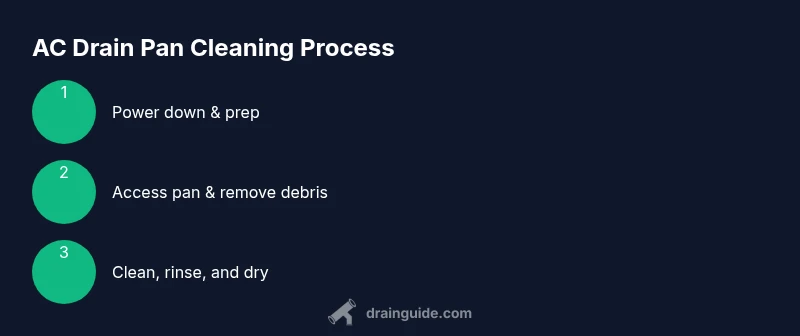
The following steps provide a clear sequence you can follow to clean the AC drain pan without missing critical actions. Start with safety, then access the pan, remove debris, clean and rinse, check the drain line, dry thoroughly, reassemble, and document the maintenance. Each action reduces the chance of clogs and keeps your system running smoothly. For best results, pair this with regular filter maintenance and seasonal HVAC checks.
Maintenance and Prevention
After cleaning, apply a lightweight, noncorrosive cleaner to inhibit mildew growth and wipe dry. Schedule routine checks of the condensate line and trap to ensure proper flow. Replace or reseal the drain pan if you notice cracks or persistent leaks. Keep surrounding areas dry and clean to prevent future buildup. A small amount of approved HVAC-safe disinfectant can be used periodically to maintain hygiene without harming components.
Troubleshooting Common Issues
If you notice standing water, a gurgling sound, or musty odors even after cleaning, the condensate line or trap could be blocked or kinked. Inspect the line for obstructions and ensure it slopes correctly toward drainage. A cracked pan or damaged gasket may require replacement. In some cases, mineral buildup can narrow the drain; flushing with a vinegar solution and flushing water can help restore flow.
When to Call a Pro
If you encounter exposed wiring, persistent leaks, or a damaged evaporator tray, seek professional help. Electrical components near the pan pose a real risk, and a rushed repair can create safety hazards. A licensed HVAC technician can assess the system, replace damaged parts, and verify proper drainage to prevent future problems.
Verification: How to Confirm a Clean Pan
After cleaning and drying, run the HVAC system for a short cycle and observe the condensate flow. Check the tray for leaks or damp spots and inspect the condensate line for any signs of leakage. If you see steady, clear drainage without moisture buildup along the pan edges, you’ve likely achieved a clean, properly functioning unit. Regular visual checks can catch issues before they become costly.
Additional Considerations for Different AC Types
The cleaning approach can vary by unit type. For portable or window units, access may be more limited, so remove the cover carefully and follow manufacturer guidelines. For central air with a sealed plenum, the drain pan is often tucked behind panels; consult the manual to avoid damage to refrigerant lines or sensors. Always use non-abrasive cleaners compatible with metal pans.
Tools & Materials
- Wet/dry vacuum(Ideal for removing standing water quickly)
- Gloves(Protect hands from grime and sharp edges)
- Goggles(Eye protection against splashes)
- Old towels or rags(For drying and catching spills)
- Stiff brush(Scrubs away grime from corners)
- Mild dish soap(Gentle cleaner for the pan surface)
- White vinegar(Natural deodorizer and descaler)
- Flashlight(For dark corners and pan edges)
- Replacement drain pan gasket(Use if the current gasket shows cracks)
Steps
Estimated time: Total time: 30-60 minutes
- 1
Power down and prep
Turn off the AC unit and disconnect power at the breaker to avoid shock. Clear the area and lay down towels to catch any spills. This step reduces risk and sets the stage for a clean, safe pan.
Tip: Always verify power is off with a non-contact tester before touching components. - 2
Access the drain pan
Open access panels if needed and locate the condensate drain pan. If you must remove a panel, do so carefully to avoid damaging screws or wiring. Ensure you have a clear path to collect debris.
Tip: Label any screws so you can reassemble correctly later. - 3
Remove debris from the pan
Use the vacuum and brush to remove standing water, dust, and slime. Collect debris in a bag for disposal and wipe down the pan surface to remove stubborn residue.
Tip: Work from the back of the pan toward the drain to prevent pushing debris into the line. - 4
Clean the pan surface
Mix a mild soap solution (or vinegar for deodorizing) and scrub the pan with a stiff brush. Rinse with a small amount of clean water and wipe dry with towels.
Tip: Avoid harsh chemicals that corrode metal; stick to gentle cleaners. - 5
Inspect the drain line and trap
Check for clogs, kinks, or buildup along the condensate line. Remove blockages gently and ensure the line slopes toward drainage. If a trap exists, clean out debris carefully.
Tip: Never force a blockage—if it resists, stop and call a professional. - 6
Dry and reseal the area
Thoroughly dry the pan and any exposed components. Replace the gasket if you found wear or cracks, then reassemble the panel securely. A dry system reduces future mold growth.
Tip: Leave panels loose enough to vent heat but snug enough to stay in place. - 7
Test drainage
Restore power and run a brief cooling cycle to observe condensate flow. Look for steady drainage and absence of leaks around the pan or pan edges.
Tip: Observe for at least one full cycle to confirm consistent performance. - 8
Record maintenance date
Note the cleaning date in your HVAC log and set a reminder for the next inspection. Regular documentation helps track maintenance history over time.
Tip: Create a simple calendar reminder to prompt future checks.
Got Questions?
How often should I clean the AC drain pan?
There isn’t a universal schedule; inspect during routine maintenance and clean if you notice mold, odors, or signs of debris. Use your judgment based on climate and usage.
Inspect during routine maintenance and clean if you notice mold or odors. Use your judgment based on climate and usage.
Can I use bleach to clean the drain pan?
Bleach can be corrosive to some pans and components. If you choose to use it, dilute properly and avoid mixing with ammonia or other cleaners. Prefer mild soap and vinegar for everyday cleaning.
Bleach can be corrosive to some pans; if used, dilute and avoid mixing with other cleaners. Mild soap and vinegar are safer for regular cleaning.
What should I do if I see standing water after cleaning?
Stop and recheck the condensate line for blockages or kinks. Ensure the line slopes correctly toward drainage and there are no cracks in the pan.
If you see standing water after cleaning, recheck the condensate line for blockages and ensure proper slope toward drainage.
Is it safe to DIY if I’m not comfortable with electrical components?
If you’re unsure about electrical components, turn off power and consult a professional. Do not proceed with wiring-related tasks beyond basic cleaning.
If you’re unsure about electrical parts, turn off power and call a professional. Don’t DIY wiring tasks.
How can I prevent mold in the drain pan long-term?
Keep the area dry, clean periodically, and ensure the condensate line drains fully. Regular filter maintenance helps reduce humidity that feeds mold growth.
Keep the area dry, clean, and ensure full drainage. Regular filter checks help reduce humidity that supports mold.
Watch Video
The Essentials
- Start with safety: cut power and prep the workspace.
- Clean thoroughly with mild cleaners to avoid pan damage.
- Inspect the drain line and gasket to prevent recurring leaks.
- Document maintenance and schedule future checks.