Dishwasher Drain Hose Samsung: Step-by-Step Repair Guide
Learn to diagnose, replace, and maintain the dishwasher drain hose Samsung with clear, step-by-step instructions. Prevent leaks, protect your cabinet, and keep drainage reliable through practical tips and safe DIY practices.


By the end of this guide, you will diagnose and fix issues with a dishwasher drain hose Samsung, preventing leaks and poor draining. You'll inspect hose for kinks, check clamps, and replace the hose if cracked or perished. Gather a screwdriver, bucket, towels, and the correct replacement hose sized for Samsung dishwashers, plus simple hand tools.
Why the dishwasher drain hose samsung matters
A healthy drain hose is essential for reliable dishwasher drainage and for avoiding water damage. In Samsung models, the drain hose is the critical link between the dishwasher and your sink drain or disposal. If the hose kinks, sags, or becomes cracked, water can back up into the tub, leak under the cabinet, or trigger the dishwasher’s drain error codes. According to Drain Guide, many homeowners underestimate the drain hose's role and skip simple checks during routine maintenance. Regular inspection helps catch wear before a leak appears, saving you from messy repairs and wasted water. Before you start, confirm the hose is Samsung-compatible and rated for your model. Also check that clamps and fittings are in good shape and that the hose has a clean interior to avoid clogs. This article focuses on practical, hands-on steps to diagnose, replace, and maintain the dishwasher drain hose Samsung, with safety considerations and model-agnostic tips so you can DIY confidently.
Common causes of hose failure in Samsung models
Hose failure often stems from poor routing, repeated flexing, and aging clamps. Samsung dishwashers share a common setup, so wear tends to show up where the hose bends or where it contacts sharp edges. Regular household cleaners can degrade rubber over time, increasing the risk of cracks. Loose clamps are another frequent culprit, allowing the hose to shift and create leaks at the connection points. In some cases, improper installation leads to kinks that restrict flow and cause water to back up. Drain Guide analysis highlights that early signs—drips under the cabinet, a gurgling drain, or slow draining—are all signals to inspect the drain hose and connections before leaking into the cabinet or onto the floor. Keeping a tidy tubing route and avoiding sagging sections helps preserve performance over many cycles.
Selecting the right replacement hose for Samsung dishwashers
Choosing the correct hose for Samsung models means matching hose diameter, length, and end fittings to the existing setup. Confirm the model number or remove the old hose to read its diameter and length specification. Look for a reinforced, kink-resistant design with secure clamps and a clean interior to minimize clogs. If your dishwasher uses a disposal, ensure the hose offers the appropriate diameter and a secure elbow connection. It’s often safer to buy a Samsung-compatible hose rather than a generic option, especially if you’re concerned about warranty or compatibility. Keeping the interior free of cracks and bulges reduces the chance of leaks after installation. Finally, verify that the new hose has compatible end fittings for your sink drain or garbage disposal, so there’s no mismatch at the connection.
Tools and safety considerations
Before starting, switch off power to the dishwasher at the breaker and disconnect the outlet if needed. Wear protective gloves to guard against sharp clamps and metal edges. Have a bucket and towels ready to catch residual water, and use a flashlight to inspect tight spaces. A dedicated set of pliers, screwdrivers (Phillips and flat-head), and a nut driver will help with clamps and hose fittings. If you encounter stubborn clamps, use penetrating oil and give a moment for it to work. Work in a well-lit area and avoid forcing components; if a fitting won’t budge, stop and reassess routing or seek professional help. This prep reduces the risk of electrical hazards and water damage while you work on the drain hose.
Pre-disassembly inspection checklist
Start with a quick test to identify leaks: wipe down the area, run a short cycle, and observe for drips. Inspect the entire hose path for cracks, kinks, or soft spots. Check both connections—where the hose meets the pump or outlet and where it attaches to the sink drain or disposal—for signs of wear. Confirm that the mounting clamps are present and not corroded; replace any that show rust or deformation. If you notice unusual wear on the hose or fittings, note the model and batch information to ensure you purchase compatible replacement parts. Finally, review the dishwasher’s manual or manufacturer site to verify the correct hose type and any warranty considerations before proceeding.
Replace the hose: disassembly and installation overview
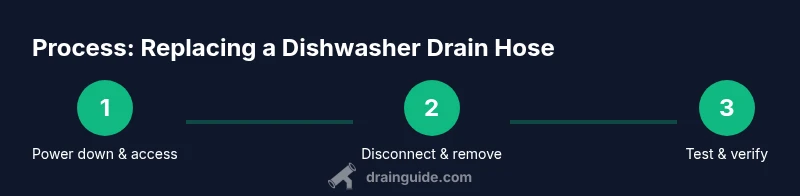
The replacement process involves careful disassembly, removal of the old hose, installation of the new hose, and secure reassembly. Begin by disconnecting power, then drain residual water and disconnect the hose from the sink or disposal. Transfer any clamps to the new hose, ensuring proper orientation to avoid kinks. Fit the hose ends to the correct ports and tighten clamps evenly to avoid leaks. Route the hose away from sharp edges and ensure there is no tension along the path that could cause future wear. Finally, plug in power and run a test cycle to verify there are no leaks and that drainage is clear.
Post-installation testing and maintenance tips
After installation, run a complete wash cycle with the dishwasher empty to confirm there are no leaks at either end of the hose. Check under the sink cabinet for moisture after cycles, and inspect the hose interior for any debris after the test run. If leaks occur, re-tighten clamps and re-check the hose routing. Schedule periodic inspections every few months or after heavy use. Regular maintenance includes checking clamps, ensuring the hose remains free of kinks, and replacing the hose if it shows cracks or bulges. Proper maintenance helps prevent future leaks and keeps drainage efficient.
Authority sources
- https://www.cpsc.gov/
- https://extension.illinois.edu/
- https://www.osha.gov/
Tools & Materials
- Replacement dishwasher drain hose Samsung-compatible(Measure length to match model; ensure inner diameter matches the old hose)
- Screwdriver set (Phillips and flat-head)(For clamps and fittings)
- Pliers(To loosen hose clamps and fittings)
- Nut driver or adjustable wrench(For hose fittings and mounting hardware)
- Bucket(Catch residual water during disassembly)
- Old towel or rags(Mop spills quickly and keep workspace clean)
- Safety gloves(Protect hands from sharp edges)
- Flashlight(Improve visibility in tight spaces)
Steps
Estimated time: 60-90 minutes
- 1
Power down and access
Turn off the dishwasher at the breaker and unplug it if accessible. Open the kickplate to access the drain hose area and identify the hose path. This initial step reduces electrical risk and helps you locate clamps and fittings.
Tip: Label nearby hoses if you’re dealing with multiple connections to avoid confusion later. - 2
Shut off water and drain remaining water
If your model has a water inlet valve near the sink, switch it off and drain any residual water from the line into a bucket. This step prevents leaks when loosening connections.
Tip: Keep towels ready to blot any splashes; a small aquarium siphon can help drain residual water. - 3
Detach the drain hose from the sink/disposal
Loosen the hose clamp at the sink drain or disposal elbow. Gently detach the hose from the port, being careful not to pull on the hose body excessively, which could damage the fitting.
Tip: If the clamp is stubborn, apply a small amount of penetrating oil and wait 1–2 minutes before retrying. - 4
Remove the old hose and clamps
Slide off the old hose from the dishwasher side and remove any clamps. Inspect the ends for cracks or deformities. If clamps are corroded, replace them with new ones before installing the new hose.
Tip: Keep the screws and clamps organized so you don’t mix up parts during reassembly. - 5
Prepare and install the new hose
Slide the new hose onto the dishwasher’s drain port, then secure with a clamp. Route the hose away from sharp edges with a gentle curve. Attach the other end to the sink drain or disposal as required and tighten the clamp.
Tip: Ensure the hose end is fully seated and the interior remains free of kinks before tightening. - 6
Test for leaks and troubleshoot
Plug the unit back in and run a short wash cycle with no dishes. Check both ends of the hose for leaks after the cycle completes. If you see a leak, re-tighten clamps and verify the hose isn’t twisted or pinched.
Tip: If you still see leaks, recheck the clamps’ orientation and consider replacing the hose with a slightly longer one to avoid strain.
Got Questions?
Can I replace the hose with a generic hose, or should I use Samsung-specific parts?
A Samsung-compatible hose is generally recommended to ensure proper fit and reliable seals. Generic hoses may vary in diameter or end fittings, which can lead to leaks or poor drainage. Always verify compatibility with your model before purchasing.
Use a Samsung-compatible hose to ensure proper fit and secure seals. Generic hoses may not seal correctly and could leak.
What are common signs that the drain hose needs replacement?
Common signs include visible cracks or bulges, frequent leaks at clamps, water pooling under the cabinet after cycles, and sluggish drainage or gurgling sounds during operation.
Look for cracks, leaks at clamps, and slow drainage as cues to replace the hose.
Do I need to disconnect power when replacing the hose?
Yes. Always disconnect power at the breaker or unplug the unit before disassembly to avoid electrical hazards.
Yes, shut off power before starting to avoid shocks.
How long does a typical drain hose replacement take?
Most replacements take 30–60 minutes, depending on access and whether clamps are stubborn. Have your tools ready to streamline the process.
Usually about 30 to 60 minutes with proper tools.
What if I notice water backing up into the sink during testing?
Stop, recheck hose routing for kinks and ensure it’s firmly seated at both ends. Re-tighten clamps and rerun a test cycle.
If water backs up, recheck routing and clamps and test again.
Can I reuse old clamps after replacing the hose?
It’s best to replace clamps with new ones to ensure a solid seal. Reused clamps can corrode or loosen over time.
Best to use new clamps for a solid seal.
Do I need to replace the hose if it’s still flexible but a bit worn?
If there are any cracks, bulges, or signs of wear, replacing the hose is advisable. Don’t postpone if you notice weakness.
If you see wear, replace it to prevent leaks.
Watch Video
The Essentials
- Inspect hose for wear before replacement.
- Use Samsung-compatible hose for best fit.
- Secure clamps firmly to prevent leaks.
- Test thoroughly after installation.