Drain Clogged Washing Machine: Troubleshooting & Fixes
Discover practical, safe steps to diagnose and fix a drain clogged washing machine. Learn common causes, DIY checks, and when to call a pro from Drain Guide.


The most likely cause of a drain clog in a washing machine is debris caught in the drain pump filter or hose, preventing water from exiting. Start by unplugging the unit, locating the drain pump filter, and removing hair, lint, and fibers. If that doesn’t fix it, inspect the drain hose for kinks or blockages and run a brief test rinse to confirm drainage.
Why a drain clogged washing machine happens
A drain clog in a washing machine is usually caused by a buildup of hair, lint, fabric fibers, soap scum, and sometimes small items that get caught during cycles. Over time, these particles accumulate in the pump filter, sump, or the drain hose, creating a partial or complete blockage. The Drain Guide team notes that many households underestimate how much debris can escape laundry into the machine’s internal plumbing. Regular maintenance, including cleaning the pump filter and inspecting hoses, can prevent most clogs. In homes with hard water or frequent use of high-suds detergents, the rate of buildup increases. Understanding where debris tends to accumulate helps you target the right component during a cleanup.
Common symptoms and how to recognize them
If your drain is clogged, you may notice water standing in the drum after a wash, a washer that fills but drains slowly, or a distinct smell coming from the appliance. Some models display error codes related to drainage, while others simply stop mid-cycle with water left behind. In many cases, a clog isn’t severe enough to stop drainage entirely but causes slow draining and longer final spins. If you hear unusual sounds like gurgling from the drain hose or pump, this can indicate air trapped behind a partial blockage. Quick checks now can save a larger repair later.
DIY checks you can perform safely
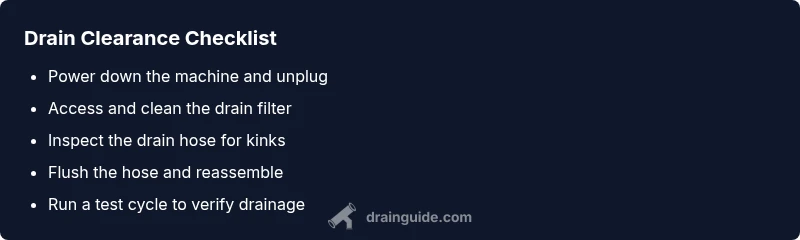
Power down the unit by unplugging it and turning off the circuit breaker. Gather a bucket, towels, and gloves as you prepare for access. Check the obvious: the drain hose for kinks, pull-out lint traps (if your model has one), and the pump filter access panel. Remove the filter and rinse under running water, using a small brush to scrub away debris. Reinsert and run a short cycle with no laundry to test drainage. If the water still won’t drain, proceed to more thorough checks, including flushing the hose and inspecting the pump area.
When to escalate to more advanced fixes
If you have cleared the filter and hose but drainage remains poor, the pump impeller or seal could be worn, or there could be a blocked vent. In these cases, a professional may need to replace the pump or service the valve assembly. Before inviting help, collect model information, serial number, and a brief description of the symptoms to speed up diagnosis. Avoid forcing items through the hose, as this can damage the pump.
Prevention tips to keep drains flowing
To reduce future clogs, clean the filter after every few washes, avoid overloading, and use the recommended amount of detergent for your water hardness. Install a lint trap if your machine lacks one, and flush hoses with hot water periodically. Regular maintenance, plus mindful load management, can significantly extend your machine’s life and prevent unexpected downtime.
Steps
Estimated time: 30-60 minutes
- 1
Power Down and Prepare
Unplug the washer, switch off at the wall, and move the unit to access behind the front panel. Have towels ready for any residual water and a small container for drip drainage.
Tip: Label any screws or clips so you can reassemble easily. - 2
Access the Drain Pump Filter
Open the filter access door or remove the front kick panel to reach the pump filter. Place a bucket underneath to catch water, and have a cloth ready for splashes.
Tip: Use a flashlight to locate the filter if it’s hidden behind panels. - 3
Clean the Filter and Sump
Remove the filter, clear hair and lint, rinse under running water, and inspect the sump for obstructions. Wipe down the surrounding area to remove any fine debris.
Tip: A soft brush helps dislodge stubborn buildup without scratching parts. - 4
Check the Drain Hose
Trace the hose from the machine to the drain; detach it to flush and straighten any kinks. Reconnect securely and ensure there are no leaks at the clamps.
Tip: Keep a bucket ready for water that may spill when disconnecting. - 5
Test Drainage
Reconnect hoses, run a quick empty cycle, and observe whether water exits promptly. If you still see standing water, repeat checks or proceed to a deeper flush.
Tip: Listen for the pump and watch the drain hose during the cycle. - 6
Final Checks and Reset
Dry the area, replace any panels, and run a small load to confirm the drain stays clear after a full cycle. Document what you did for future maintenance.
Tip: Consider testing with a small amount of laundry until you’re confident.
Diagnosis: Washing machine won't drain or water remains in drum
Possible Causes
- highClogged drain filter or sump
- mediumKinked or blocked drain hose
- lowPump failure or impeller jam
Fixes
- easyUnplug and access the drain pump filter; clean debris from filter and sump
- easyInspect drain hose for kinks, remove any blockages, and flush with water
- hardIf the pump or impeller is damaged, replace the pump or call a licensed technician
Got Questions?
What are the most common causes of a drain clog in a washing machine?
Hair, lint, soap scum, and fabric fibers are typical culprits. They collect in the pump filter and hoses, leading to poor drainage.
Hair and lint buildup in the drain area cause many drainage clogs.
Is it safe to use a chemical drain cleaner in a washing machine?
No. Most cleaners are not designed for washers and can damage seals, hoses, and the pump.
Avoid chemical drain cleaners in washers.
How do I know if I need a professional?
If you’ve cleared the filter and hose and still see standing water or hear unusual noises, a professional should inspect the pump and vent system.
Call a pro if it still drains poorly.
Can I prevent clogs in the future?
Yes—clean the filter regularly, use the right amount of detergent, and avoid overloading.
Regular maintenance helps prevent clogs.
What if my model has no accessible filter?
Check the manual for service ports or call the manufacturer’s support.
Some models don’t have a removable filter.
What are warning signs of pump failure?
Unusual noises, leaks around the pump, and no drainage despite a clear hose indicate pump issues.
Listen for grinding or humming near the pump.
Watch Video
The Essentials
- Start with easy fixes: clean the filter and hose.
- Check for kinks and blockages in the drain hose promptly.
- If the pump is faulty, consider replacement or professional service.
- Regular maintenance prevents most clogs and downtime.
- Always disconnect power before servicing.