How to Clean a Bath Drain
Practical, step-by-step guidance on how to clean a bath drain safely using common tools and natural methods. Learn maintenance tips to prevent future clogs. Drain Guide's experts share workflows and safety tips.


You will learn how to clean a bath drain safely and effectively, including hair removal, natural options, and when to consider professional help. This guide covers common methods, required tools, and a step-by-step approach. Drain Guide's advice emphasizes safety and minimal chemical use for homeowners. Whether you tackle clogs from hair, soap scum, or grease, this plan helps you regain flow quickly.
What causes bath drains slow down and how to assess the problem
A bath drain can slow or stall due to a habitually accumulating layer of hair, soap scum, and mineral buildup. Over time, this combination forms a fine, stubborn seal that restricts water flow. Before you reach for tools, take a careful look: notice if standing water drains slowly after a shower or if water back-ups appear in the tub when you run the faucet. By understanding the signs, you’ll tailor your approach and avoid unnecessary disassembly. The Drain Guide approach emphasizes starting with the simplest, least invasive option and moving to mechanical methods only when needed. If you’re seeing ongoing backups after basic cleaning, consider inspecting the P-trap for blockages and evaluating the pipe for more serious issues. The key is to keep your expectations realistic and your safety gear on.
Tools and materials you’ll need (prepping for success)
Preparing the right toolkit saves time and reduces mess. According to Drain Guide, assembling your supplies before you start keeps the workflow smooth and minimizes the number of trips to the hardware store. You’ll want basic hand protection, a receptacle for water and debris, a few mechanical aids, and safe cleaning agents. The list below prioritizes items that are commonly available in most homes and won’t damage pipes when used as directed. Have these ready on a towel or tray so you can work without chasing tools across the bathroom floor. Remember to read the labels on any cleaners and keep kids and pets away during the process.
- Rubber gloves (essential) protects hands from grime and chemicals
- Plastic bucket (essential) to catch water and debris
- Drain plunger (cup plunger) (essential) for initial loosening
- Drain snake / auger (essential) for deeper clogs
- Old toothbrush or small brush (optional) for scrubbing
- Baking soda (essential) for chemical-free deodorizing and grout cleaning
- White vinegar (essential) to pair with baking soda for buildup removal
- Kettle or pot for hot water (essential) to flush the drain safely
- Mineral-free hot water (essential) for flushing after cleaning
- Wire hanger or hook (optional) to pull hair from traps
Step-by-step plan overview
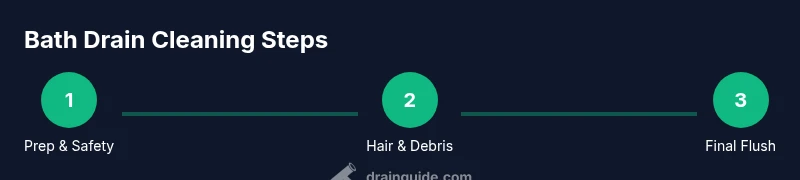
The plan to clean a bath drain hinges on a logical progression: loosen the clog with basic tools, remove obvious debris, use natural cleaners to dissolve buildup, and finally flush with hot water or a snake if needed. Starting with simple steps minimizes the risk of pipe damage and reduces waste. Always work methodically, testing the drain after each phase. This approach aligns with Drain Guide’s emphasis on safety, least invasiveness, and clear, repeatable steps.
Natural cleaning methods you can start with today
For many bathtubs, a careful natural approach is enough to restore flow. Begin by removing the drain cover and any visible hair. Next, sprinkle baking soda into the drain and follow with a pour of white vinegar. The fizz helps loosen buildup and deodorize the trap. After fizzing subsides, flush with hot water. Repeating this ritual monthly can help reduce minor clogs and keep odors at bay. When used as directed, baking soda and vinegar are gentle on pipes and avoid harsh chemical reactions near skin and seals. The goal is to use less aggressive methods first, then escalate if needed to maintain a safe, effective clean.
Mechanical methods: plunger and drain snake options
If natural cleaning isn’t enough, switch to mechanical methods. A plunger can dislodge a hair knot if the clog is shallow and near the surface. For stubborn clogs past the trap, a drain snake (augur) provides a physical reach to pull hair and debris out of the pipe. Always start with the shortest reach you can safely access and avoid forcing the tool, which can damage fittings. When using a snake, rotate gently and pull back slowly to prevent pushing debris farther down the line. This section outlines when and how to switch to more aggressive methods without overdoing it.
Inspecting the trap, cleaning, and reassembling
The trap under the bath drain is a common hiding place for hair and grime. If you can reach it safely, remove the trap, clear any blockages by hand, and rinse with warm water before reassembling. Reinstall the trap tightly, but avoid overtightening to prevent leaks. After reassembly, run hot water for several minutes to ensure the line clears and to confirm a steady flow. If you notice leaks or reduced flow after reassembly, double-check the seal and the inlet pipe connections. This checkpoint helps ensure the drain stays clear and reduces the chance of a repeat clog.
Maintenance and prevention to keep drains clear
To reduce future clogs, adopt a simple preventive routine. Use a mesh drain cover to catch hair, wipe soap scum from the drain area, and periodically flush with hot water. Consider a monthly quick-clean with baking soda and hot water if you shower or bathe daily. When deeper issues arise—such as persistent backups or gurgling noises—visit Drain Guide for guidance on safe, appropriate next steps. Regular maintenance is more effective and less costly than frequent emergency interventions.
Tools & Materials
- Rubber gloves(Protect hands from grime and chemicals)
- Plastic bucket(To catch water and debris)
- Drain plunger (cup plunger)(Use a dedicated plunger for drains)
- Drain snake / auger(8-10 ft recommended for bathtubs)
- Safety glasses(Optional protection for splashes)
- Old toothbrush or small brush(For cleaning the drain cover)
- Baking soda(Helps dislodge grime and deodorize)
- White vinegar(Reacts with baking soda to loosen buildup)
- Kettle or pot for hot water(Hot water flush (not boiling for PVC))
Steps
Estimated time: Total time: 30-60 minutes
- 1
Prepare and protect
Set up your work area on a towel or tray. Put on gloves and safety glasses if available. Remove any nearby items that could get wet and place the bucket under the drain to catch water. This reduces mess and keeps the space safe as you begin.
Tip: Protect your skin and eyes; never mix cleaners directly without reading labels. - 2
Remove the drain cover and access the trap
Pry up the drain cover carefully with a flat tool or screwdriver. If the trap is accessible, remove the strainer or cap to inspect for visible debris. Keep the pieces organized to simplify reassembly later.
Tip: Take a quick photo of how the pieces fit before you disassemble. - 3
Clear visible hair and gunk
Pull out visible hair and gunk from the drain opening and trap area using gloved fingers or a small tool. Place debris in the bucket. This step often delivers immediate improvements.
Tip: Hair is the primary offender; removing it early reduces recurring clogs. - 4
Plunge the drain
Use a cup plunger, ensuring a good seal over the drain. Push and pull firmly to loosen the clog, then check if water begins to drain more freely. If not, move to the next method.
Tip: A good seal is key for effective plunging; avoid over-pumping as it can splash. - 5
Natural cleaner advance: baking soda and vinegar
Pour about a half cup of baking soda into the drain, followed by a cup of white vinegar. Let the fizz work for 10–15 minutes, then flush with hot water. This helps dissolve minor buildup without harsh chemicals.
Tip: Do not mix with other cleaners; wait for the reaction to finish before flushing. - 6
Flush with hot water
Boil water in a kettle and slowly pour it into the drain to flush residues loose. If you’re using PVC pipes, use very hot water rather than boiling to avoid damage.
Tip: Hot water alone may remove much of the loosened debris; repeat if needed. - 7
Snake if needed for stubborn clogs
If the clog persists beyond the trap, gently insert a drain snake and twist to capture or break up debris. Pull back slowly to avoid pushing material farther into the pipe.
Tip: Go gradually; forcing the snake can damage pipes or fittings. - 8
Reassemble and test
Reinstall the trap and drain cover securely. Run the tub drain for several minutes to ensure a steady, unobstructed flow. Clean up the area and store tools.
Tip: Check for leaks around the trap after the first use.
Got Questions?
What is the first thing I should do when cleaning a bath drain?
Begin by protecting yourself (gloves, optional safety glasses) and removing the drain cover to access the trap. Clear visible debris before attempting deeper cleaning. This sets a safe, efficient foundation for the rest of the process.
First, protect yourself and remove the drain cover to access the trap, then clear visible debris.
Can I use baking soda and vinegar safely for a bath drain?
Yes. Baking soda and vinegar is a safe, natural option for routine buildup. It’s best to avoid mixing with commercial chemical cleaners and to flush with hot water after the fizzing subsides.
Yes—baking soda and vinegar are safe together for routine cleaning, just don’t mix with other cleaners.
How long should I wait after applying baking soda and vinegar?
Let the fizzing reaction occur for about 10–15 minutes, then flush with hot water. Longer waits may help on tougher buildup, but avoid overdoing to prevent a mess.
Let it fizz for about 10 to 15 minutes, then flush with hot water.
What if the drain is still clogged after using a snake?
If a snake doesn’t clear the clog, the obstruction may be deeper in the plumbing or a wider blockage. Consider repeating steps, or consult a licensed plumber for a safe, thorough clearing.
If the clog remains after snaking, you may have a deeper issue and should call a professional.
Is it safe to pour boiling water into a bath drain?
Avoid boiling water on most PVC drains to prevent warping or damage. Use very hot water instead and pour slowly.
Boiling water can damage some pipes; use hot water and pour slowly.
How often should I clean a bath drain to prevent clogs?
A preventive clean every few months is helpful, especially in homes with high hair volume or mineral buildup. Monthly quick flushes can also help.
For prevention, clean every few months and flush with hot water monthly if you have a lot of hair or buildup.
Watch Video
The Essentials
- Use mechanical steps first to minimize chemical use
- Prefer natural methods like baking soda + hot water for safety
- Inspect and clean the trap to prevent recurring clogs
- Maintain with a hair catcher and monthly flushes