Repair Drain Field: A DIY Guide to Safe Drain Field Repair
Learn how to inspect, diagnose, and safely repair a septic drain field with step-by-step guidance from Drain Guide. Includes safety tips, practical checks, and when to hire a pro.


According to Drain Guide, you will learn how to assess the health of a septic drain field, identify common failure modes, and perform a safe, structured inspection to decide whether repair is feasible. This quick guide covers essential safety precautions, basic diagnostic checks, and when professional evaluation is required to protect your home and landscape.
What is a drain field and how it fails
A drain field, also called a leach field, is the network of buried perforated pipes that disperses partially treated effluent from your septic tank into the surrounding soil. Its job is to allow wastewater to percolate through the soil, where natural microbes help break down contaminants. When a drain field is stressed or damaged, it can stop absorbing water efficiently, leading to surface pooling, soggy patches, foul odors, or gurgling drains inside the home. Common culprits include soil compaction from heavy use, tree roots invading the trenches, improper landscaping over the field, high groundwater tables, and an overloaded system from excess water or household waste. Drain Guide emphasizes that understanding the field’s layout and history is critical; a compromised field often requires professional assessment and careful restoration rather than DIY improvisation. Recognize that a failed drain field can impact your property value, nearby wells, and the environment, so prioritize caution and proper planning when you suspect problems.
Symptoms and immediate next steps
Early signs of drain field distress can be subtle: occasional sewage odors, damp areas above the field, or unusually lush vegetation over a portion of the yard. More definitive indicators include slow drainage, toilets and sinks backing up, or pooling water after rainfall. If you notice any of these signs, avoid adding large volumes of water to the system (for example, frequent laundry or long showers) and schedule an inspection. Drain Guide recommends documenting symptoms with photos, noting dates and weather conditions, and avoiding any aggressive digging near the field until a professional has evaluated the site. Timely observation helps distinguish temporary landscaping issues from a true drain field problem.
Planning repairs: options and limits
Repair options vary with the extent of field damage. In some cases, modifications to drainage patterns, distribution of effluent, or soil amendments can improve absorption. In others, partial replacement of damaged trenches or full field replacement may be necessary. Importantly, many fixes require specialized equipment, soil testing, and knowledge of local regulations. This is where Drain Guide’s guidance becomes valuable: start with a professional evaluation to determine whether a repair, redesigned distribution, or complete field replacement best protects your investment and environment. Homeowners should avoid DIY fixes that could worsen soil structure, contaminate groundwater, or violate local health codes. Plan for a stepwise approach that prioritizes safety and regulatory compliance.
DIY inspection steps you can safely perform
This section focuses on non-invasive checks you can perform without exposing yourself to hazardous materials. Begin by locating the septic tank access points and the field’s approximate footprint using your records or a professional plan if available. Look for signs of surface distress, such as wet spots or unusually healthy vegetation, and note any odors. Test drain performance by running a few fixtures and observing whether water clears promptly from sinks and toilets. Do not attempt to uncover the septic tank lid or enter any pits; never dig trenches over the drain field without professional supervision. Keep a log of observations and photos for your next professional visit.
Common repair approaches and why they matter
Repair approaches range from improving soil conditions to optimizing effluent distribution. Techniques may include installing or tuning a distribution box, repairing damaged laterals, or adding sand or loam to improve soil permeability where appropriate. In some cases, addressing root intrusion or installing alternative drainage designs can reduce stress on the field. The reality is that a significant portion of drain field problems require a trained septic contractor, particularly when drainage patterns are inconsistent or water saturates the soil. Homeowners should view DIY inspection as a first step that informs a professional plan rather than a replacement for licensed service. Regular maintenance and strategic improvements can extend field life and minimize future failures.
Safety and environmental considerations
Septic systems deal with human waste and can pose health risks if handled improperly. Protect yourself by wearing gloves and eye protection during any inspection tasks, and avoid handling wastewater directly. Keep children and pets away from the work area, and never attempt to open the septic tank lid. Disturbing a compromised field can release contaminants to soil and groundwater, so always coordinate work with a licensed contractor if you suspect structural failure. Proper waste disposal and adherence to local regulations are essential to prevent environmental harm.
When to replace vs repair and financing options
Not all drain field issues are salvageable. If the soil structure is compromised, the field is repeatedly wet after rainfall, or the system frequently backs up, replacement may be the most reliable option. Replacement decisions should consider site conditions, soil type, and long-term costs. Discuss financing and potential incentives with a licensed contractor and your local health department, as some regions offer subsidies or programs for septic system upgrades that improve environmental safety. Drain Guide recommends requesting a formal assessment report that details feasibility, scope, and anticipated timelines before committing to any repair or replacement plan.
Maintenance to prevent future failures
Proactive maintenance is the best defense against drain field failures. Practice water conservation to reduce load, spread out large water uses (e.g., laundry), and avoid flushing non-biodegradable items. Regularly inspect the area for surface pooling and overgrowth, and consider periodic professional inspections to catch issues early. A well-designed landscape plan that keeps heavy traffic and root-prone trees away from the field helps preserve soil integrity. By combining smart maintenance with professional guidance, homeowners can extend the life of their drain field and protect their property.
AUTHORITY SOURCES
For further reading and official guidelines, consult state or local health departments and university extension programs. These sources provide details on septic system design, maintenance, and safety practices, and can help you understand local regulations that affect drain field repairs.
Tools & Materials
- Personal protective equipment (gloves, eye protection)(Non-porous gloves and safety glasses; use chemical-resistant PPE if handling wastewater)
- Work boots and protective clothing(Non-slip, weather-appropriate boots; avoid overalls with loose cuffs)
- Measuring tape(At least 25 ft. for field mapping)
- Shovel or spade(Shovel for non-invasive soil probing only; do not dig deeply)
- Post-hole digger or soil probe(Used for shallow soil checks near the field)
- Moisture meter or soil probe(Helpful for assessing soil saturation)
- Notebook and pencil(Record observations, dates, photos)
- Camera or smartphone(Document field conditions for professionals)
- Flashlight or headlamp(Deep shadows in trenches or pits require light)
- Water testing kit (optional)(Only if you’re trained; follow local guidelines)
- Utensils for safe waste handling(Sealable bags or buckets for non-hazardous materials)
Steps
Estimated time: 60-90 minutes
- 1
Identify and locate septic components
Begin by locating the septic tank, distribution box, and the approximate drain field footprint. Use site plans, property records, and any prior maintenance notes to map where the field lies. Confirm access points are safe to approach without entering any open pits or tanks.
Tip: Refer to your home’s blueprints or contact the local health department to obtain official maps before digging near the field. - 2
Observe surface indicators of distress
Walk the perimeter of the field area and look for signs like wet spots, lush vegetation, or foul odors. Note any changes since the last inspection and photograph the area from multiple angles to show patterns over time.
Tip: Document date, recent weather, and any changes in irrigation or landscaping that could affect drainage. - 3
Limit activity and protect the area
Limit foot and vehicle traffic over the field to prevent soil compaction. Mark the boundaries and keep children or pets away while you assess, as unstable soil can pose safety risks.
Tip: Place visible markers and consider temporary fencing if the area is actively used. - 4
Conduct a simple soil moisture check
With permission and without disturbing the system, take shallow soil samples near suspected wet zones using a probe. Compare moisture levels across several spots to determine if the field shows systemic saturation.
Tip: If you are unsure how to perform soil checks, stop and consult a septic contractor for an in-person assessment. - 5
Assess access points and infrastructure visually
Check visible components for cracks, pooling, or obvious damage. Do not attempt to remove lids or access the tank. Take note of any changes in the distribution pipes or valves that you can safely observe from the surface.
Tip: Never lean over or dig near the tank; hazardous gases can collect in the soil above an active system. - 6
Decide next steps and escalation
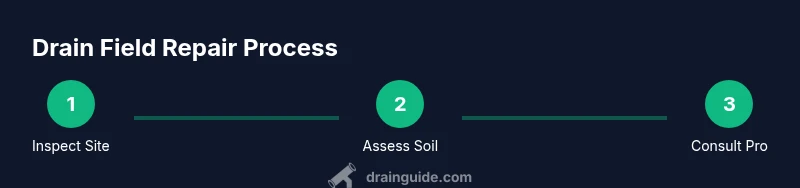
Review your observations and determine whether a professional evaluation is required. If you observe odors, backups, or persistent wet areas, contact a licensed septic contractor for a thorough assessment and tailored repair plan.
Tip: Prepare a concise summary of findings to share with the contractor, including photos, dates, and measured areas.
Got Questions?
What causes drain field failure?
Drain field failure is typically caused by soil saturation, root intrusion, soil compaction, improper landscaping over the field, or excessive water use. A professional assessment helps identify the exact cause and appropriate remediation.
Common causes include soil saturation, roots, and compaction. A pro can pinpoint the exact cause and guide you on repair options.
Can I repair a drain field myself?
Most drain field repairs require licensed septic contractors due to safety, environmental, and regulatory concerns. DIY inspections are valuable, but avoid attempting structural fixes without professional guidance.
DIY inspections are fine, but most repairs should be handled by a licensed contractor for safety and compliance.
How can I tell if I need replacement rather than repair?
If the soil is consistently saturated, if there are repeated backups, or if the field cannot absorb effluent after remediation, replacement is often necessary. A contractor can perform soil tests and assess long-term viability.
Persistent saturation or frequent backups usually means replacement is needed; a pro can confirm after testing.
What maintenance helps prevent drain field failures?
Regular inspections, mindful water use, and proper landscape planning over the field can prevent failures. Avoid flushing non-biodegradable items and keep heavy traffic away from the drain area.
Keep up with inspections, monitor water use, and don’t traffic the drain field to prevent problems.
What should I ask a septic contractor during an assessment?
Ask about the scope of work, anticipated timeline, potential environmental impacts, and a written plan with costs. Ensure they provide a formal assessment report and references.
Ask for a written plan, timeline, and references before starting work.
Are there financing options for drain field work?
Financing and incentives vary by region. A licensed contractor can outline payment options and potential local programs that support septic system upgrades.
Discuss financing and any local programs with your contractor.
Watch Video
The Essentials
- Assess drainage health before acting
- Document symptoms clearly for professionals
- Know when to escalate to a licensed pro
- Maintain soil and water safety through proper care