Fix Dishwasher Drain Hose: Step-by-Step Guide
Learn to diagnose and fix a dishwasher drain hose with clear, practical steps. Inspect for cracks, secure fittings, replace damaged hoses, and test for leaks to prevent water damage in your kitchen.


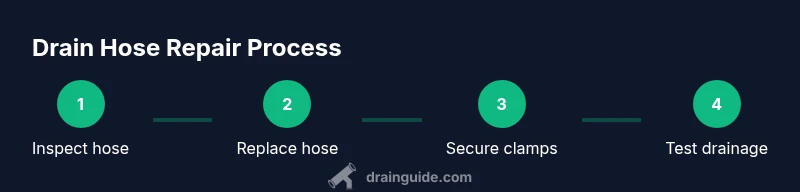
This guide shows you how to fix a dishwasher drain hose by inspecting the hose for cracks, securing the clamps, and replacing a damaged section. You’ll trace the path from the dishwasher to the drain, check the air gap if present, and reassemble tightly to prevent leaks. Follow step-by-step instructions and safety tips for a successful repair.
Why fixing the dishwasher drain hose matters
According to Drain Guide, a faulty dishwasher drain hose is more than a nuisance; it’s a potential source of significant water damage, mold growth, and higher utility bills if drainage is inefficient. A compromised hose can leak behind cabinets, under flooring, or into drywall, creating costly repairs long after you finish the laundry cycle. The good news is that many drain-hose problems are simple to fix with common tools and careful attention to routing. When the hose is intact and properly connected, your dishwasher drains efficiently, prevents standing water, and protects your home from moisture-related issues. This is why addressing even minor hose symptoms early pays off in long-term reliability and peace of mind.
As you work through this guide, remember that small details matter. A hose that looks fine but is kinked, bent at an awkward angle, or has a loose clamp can cause slow leaks or gurgling sounds. Drain Guide’s practical approach emphasizes checking the entire hose path, from the disposal or sink drain to the dishwasher connection, and verifying the air gap if your setup includes one. Taking a methodical, safety-aware approach will help you achieve a durable repair that lasts for years.
Common causes of dishwasher drain hose problems
Most dishwasher drain hose issues arise from wear and improper installation rather than a single dramatic failure. Cracks and pinholes in the rubber or plastic hose can develop over time due to heat, chemical exposure, or aging plastic. Loose or corroded hose clamps allow leaks at the connection points. Kinks and sharp bends restrict flow, causing backups or dirty spray water to back up into the tub. A poorly routed hose can create a siphon effect or an abrupt drop, exacerbating leaks and reducing drainage efficiency. Finally, if your system uses an air gap, a clogged or blocked gap can mimic hose problems by creating backpressure that forces water to back up into the dishwasher. Identifying the root cause—crack, clamp, kink, or routing—will guide your repair approach.
How the hose routes: avoid kinks and traps
Correct routing is essential for reliable drainage. The hose should follow a smooth, gentle path without sharp angles or twists. Avoid routing the hose behind cabinet edges where it can be pinched during door closure or foot traffic. Maintain adequate clearance from hot surfaces and avoid resting the hose on sharp cabinet corners that can wear through the material. If your home uses an air gap, ensure the hose maintains a vertical rise to the gap and does not loop downward, which can trap water and debris. A properly routed hose reduces resistance, prevents backflow, and minimizes the risk of leaks during cycles.
Tools and materials you’ll need
Before you start, assemble a basic toolkit and the compatible hose. Having a replacement hose that matches the diameter and fittings of your current line is essential. Gather hose clamps (stainless steel preferred), a screwdriver (Phillips and flat-head), slip-joint pliers, a utility knife for trimming, a bucket or towels for drips, and a flashlight to inspect hard-to-see areas. If you rely on an air gap, have a clean replacement cap and ensure the gap itself is unobstructed. With the right tools, you’ll approach the repair with confidence and reduce the chance of over-tightening or cross-threading fittings. Drain Guide recommends verifying compatibility with your model’s hose length and connector type before purchase.
Step-by-step diagnosis and assessment
Begin with safety. Unplug the dishwasher or switch off the circuit breaker, then water supply to prevent accidental leaks. Inspect the entire drain path for visible cracks, bulges, or discoloration indicating wear. Check clamps at both ends for looseness or corrosion. If you see black mold or mildew near the hose, address moisture issues promptly and consider replacing the hose entirely. Wipe down all surfaces and test the hose for leaks by briefly running water through the system without a full wash cycle. If the hose is discolored or brittle, plan to replace it rather than patching it.
Replacing the hose: choosing the right type
If you determine the hose is damaged or aged, select a replacement that matches the original diameter and connectors. Standard 5/8 inch or 7/8 inch inner-diameter hoses are common, but some dishwashers use specialized sizes. Measure the length needed to maintain a smooth routing path with a slight upward bend toward the sink or disposal. Choose a flexible, heat-resistant hose designed for dishwashers, and confirm compatibility with any air-gap components. If the model uses integrated clamps, you may need the same style to ensure a secure seal. A careful choice reduces the need for frequent replacements and provides a longer service life. Drain Guide emphasizes choosing a hose that can withstand the temperature and cleaning chemicals typical in household dishwashers.
Detailing clamps, connections, and tape
Install new stainless-steel hose clamps at both ends, ensuring a snug fit without overtightening. The clamps should compress the hose evenly around the fittings to prevent leaks. For plastic fittings, use a screwdriver to tighten gradually and evenly, avoiding cross-threading. If a joint requires a sealant, apply a small bead of food-safe silicone only where recommended by the hose manufacturer; avoid silicone on the interior of the drain path where debris could accumulate. Inspect for any burrs on the hose ends that might damage the hose or create a poor seal. Keeping clamps clean and dry during installation helps the seal form correctly and reduces the risk of future leaks.
Reassembling and securing the hose path
Once the hose is attached, recheck the routing to ensure there are no kinks or sharp bends. Secure the hose along the cabinet wall with zip ties or clips to maintain a straight path. Make sure the hose does not rest against rough cabinet edges or heat sources. If you have an air gap, ensure the hose goes upward to the gap and then down to the drain. A tidy, well-supported hose path minimizes movement during cycles and reduces wear on the hose ends. Drains should be free of debris; a quick wipe before closing the cabinet helps prevent grit from entering the system.
Post-repair testing: running a test cycle safely
With everything connected, restore power and run a short rinse cycle to test for leaks. Place towels around the base and monitor the connections for a full minute or two. If you notice water at any joint, tighten clamps a bit more and recheck the seal. Listen for unusual noises that could indicate a misrouted hose or binding. If you detect continued leaking, re-check the hose length and bends, and consider temporary measures such as rerouting the hose away from sharp corners until a permanent adjustment can be made. Drain Guide notes that a careful test reduces the risk of hidden leaks after a repair.
Preventative maintenance to extend hose life
To extend the life of your dishwasher drain hose, perform a quick quarterly check: inspect for cracks or bulges, verify clamps are tight, and confirm the routing remains clear of kinks. Avoid using solvent-based cleaners that could degrade hose plastics, and replace the hose if you notice any wear marks near clamps or bends. Keep the area around the dishwasher dry to prevent mold growth; use a small fan or open cabinet doors after cycles if the space tends to stay damp. By scheduling regular inspections, you’ll catch wear early and keep your drainage system running smoothly.
When to call a professional
If the hose shows signs of significant damage, if multiple clamps must be replaced, or if you encounter persistent leaks despite a solid DIY repair, it’s wise to seek professional help. A licensed plumber can assess underlying cause, such as improper disposal connections or a compromised drain line beyond the hose itself. For complex installations or models with integrated drainage systems, a professional can ensure compliance with local codes and warranty requirements. Drain Guide recommends consulting a pro when you’re unsure about compatibility or the correct routing for your specific dishwasher model.
Authoritative references
- https://www.energy.gov
- https://www.epa.gov/watersense
- https://www.consumerreports.org
Tools & Materials
- Replacement dishwasher drain hose(Ensure compatibility with your model (length and fittings))
- Stainless steel hose clamps (2-3)(Use standard size for your hose and fittings)
- Screwdriver set (Phillips and flat-head)(For clamps and hose fittings)
- Slip-joint pliers(For tightening fittings and clamps)
- Utility knife or scissors(Only if trimming is necessary; use caution)
- Bucket and towels(Catch drips and keep area dry during work)
- Silicone sealant (food-grade, optional)(Only if joint requires additional sealing per hose maker)
Steps
Estimated time: 45-75 minutes
- 1
Disconnect power and water supply
Safety first: unplug the dishwasher or switch off the dedicated circuit, and shut off the water supply. This prevents accidental shocks and water sprays while you inspect and work on connections.
Tip: Always verify power is off with a tester before touching electrical components. - 2
Locate the drain hose path
Trace the hose from the dishwasher outlet to the sink drain or disposal. Note any kinks, twists, or sharp turns, as these can impede drainage and cause leaks.
Tip: Take a quick photo to reference the routing if you need to reassemble later. - 3
Inspect for damage and wear
Examine the entire length of the hose for cracks, bulges, or softened sections. Check clamps at both ends for looseness or corrosion. If you see significant wear, plan to replace the entire hose rather than patching it.
Tip: Don’t ignore small cracks; they often worsen quickly with heat and detergents. - 4
Remove the old hose
Loosen and remove clamps, detach from both ends, and carefully pull the hose free. Have a bucket ready for residual water and wipe the connection points clean.
Tip: Label the ends if necessary to keep track of orientation during reassembly. - 5
Prepare the new hose
Measure the correct length and trim if needed, ensuring it matches the routing plan with a slight upward slope toward the drain. Compare end fittings to avoid mismatch.
Tip: Cut only after confirming the path and connections to avoid over-shortening. - 6
Attach the new hose and secure clamps
Slide on the hose, push fittings fully, then tighten the clamps evenly with a screwdriver. Ensure a tight seal without deforming the hose material.
Tip: Tighten gradually in small increments to avoid crushing the hose ends. - 7
Route the hose properly
Reposition the hose so it follows a gentle arc, avoids cabinet edges, and maintains a clear path to the sink or disposal. If an air gap is present, route accordingly without downward loops.
Tip: Keep the hose away from heat sources and avoid resting it on sharp cabinet corners. - 8
Test the drain path
Reconnect power, start a short wash or rinse cycle, and observe leaks. Check every joint for drips and re-tighten if necessary.
Tip: Watch closely for the first minute of operation to catch slow leaks early. - 9
Final checks and cleanup
If the test cycle passes, wipe down the area, secure any loose wiring away from water, and close the cabinet. Document what you did for future maintenance.
Tip: Keep a note of the hose model and routing in your home maintenance log.
Got Questions?
What are the signs that the dishwasher drain hose needs replacement?
Look for cracks, bulges, or visible wear on the hose. Leaks at clamps or damp cabinet areas indicate a replacement is needed. If the hose feels brittle or discolored, plan to replace it rather than patching.
Look for cracks, bulges, or damp areas around the hose and clamps; replace if you see wear.
Can I reuse the old hose if it isn’t cracked?
If the hose is flexible, not cracked, and the clamps are in good condition, you may reuse it. However, inspect the interior for any buildup or hidden cracks that could fail during operation. If in doubt, replace with a new hose for reliability.
You can reuse if there’s no wear, but it’s often safer to replace to prevent future leaks.
Is it safe to run a dishwasher after replacing the hose?
Yes, after you’ve securely attached the new hose, tested for leaks with a short cycle. Start with cold water to avoid thermal shock while you inspect the connections. If you see any leaks, shut down and re-tighten clamps before running a full cycle.
Safe to run a test cycle once you’re sure the hose and clamps are tight.
What if the air gap is clogged?
A clogged air gap can cause backflow and poor drainage. Clean the air gap using a small brush or toothpick to remove debris. If the gap is damaged, replace it according to the dishwasher’s manual.
Clean or replace the air gap if present and tied to drainage issues.
How often should I replace the dishwasher drain hose?
There’s no fixed interval, but hoses should be inspected at least once a year for signs of wear. Replace if you notice cracking, hardening, or persistent leaks after checks.
Check annually and replace if you see wear or leaks.
Do I need a plumber if I smell mold after repair?
A mold smell may indicate hidden leaks or trapped moisture. Start with a thorough inspection of the hose routing and surrounding cabinet. If the odor persists or if you suspect broader moisture problems, contact a plumber.
If the odor persists after inspection, it’s a good idea to call a professional.
Watch Video
The Essentials
- Inspect for wear or cracks and replace damaged hoses
- Ensure clamps are secure but not overtightened
- Route hoses with gentle bends to prevent kinks
- Test with a short cycle before finalizing
- Maintain hose path to prevent future leaks